
Figurative Art in Contemporary Practice
In the ever-expanding landscape of contemporary art, figurative art retains a compelling presence. Despite the rise of abstraction, conceptual art, and digital mediums, many contemporary artists continue to explore the human form, narrative, and representational imagery in ways that are both traditional and innovative. Figurative art today is far from static; it evolves by incorporating modern sensibilities, diverse cultural narratives, and experimental techniques.
A Renaissance of Representation
The 21st century has witnessed a resurgence of interest in figurative art. This revival stems from a desire to reconnect with the tangible and the personal in a world increasingly shaped by technology and abstraction. Contemporary figurative artists often combine classical techniques with modern themes, creating works that resonate deeply with contemporary audiences while maintaining the timeless appeal of the human figure and recognizable imagery.
Artists Who Redefine Figurative Art
Here are some notable contemporary artists whose works exemplify the dynamic range of figurative art today:
-
Jenny Saville: A key figure in the YBA (Young British Artists) movement,
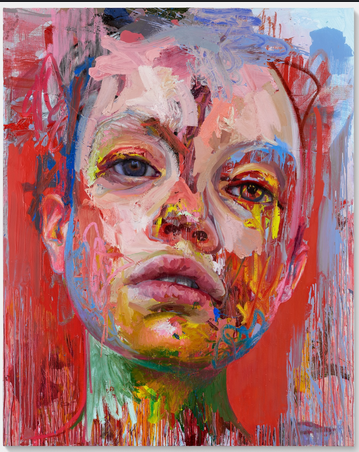 Saville is renowned for her large-scale depictions of the human body. Her paintings challenge traditional notions of beauty and confront themes of identity, gender, and physicality. Her expressive brushwork and monumental compositions breathe new life into the tradition of figurative painting.
 -
Kehinde Wiley: Wiley’s portraits reimagine classical European portraiture by placing contemporary Black subjects in regal poses, surrounded by intricate patterns. His works critique art history’s lack of diversity while celebrating identity and empowerment.
-
Adrian Ghenie: A Romanian painter whose surreal and emotive works merge history, memory, and personal narrative. Ghenie’s figures often emerge from abstract, textured backgrounds, evoking both familiarity and unease.
-
Alyssa Monks: Monks explores intimacy and vulnerability through her hyperrealistic paintings, often featuring figures obscured by glass, steam, or water. Her works push the boundaries of traditional figurative realism by introducing abstract elements that create emotional depth.
-
Jordan Casteel: Known for her vibrant, empathetic portraits of everyday people, Casteel celebrates the humanity of her subjects. Her works often feature dynamic compositions and vivid colors, blending realism with a painterly touch.
Innovations in Technique and Perspective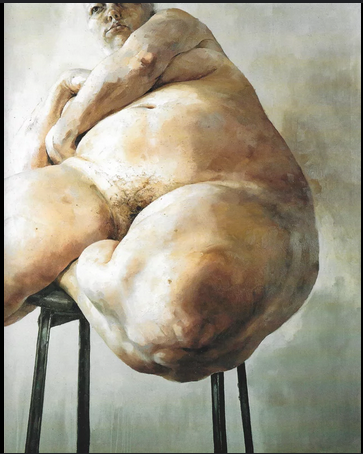
Contemporary figurative artists employ a variety of techniques and mediums, from traditional oil painting to digital tools and mixed media. Many also draw inspiration from diverse cultural contexts, addressing themes such as migration, race, gender, and mental health. By doing so, they expand the scope of figurative art beyond its historical confines, making it a powerful medium for storytelling and social commentary.
The Continued Relevance of Figurative Art
Figurative art remains relevant because it speaks to universal human experiences. In a time of rapid technological advancement and societal change, the representation of the human form and familiar imagery provides a grounding and accessible entry point for audiences. Figurative art also bridges the gap between past and present, honoring artistic traditions while pushing them into new, uncharted territory.
Conclusion
Contemporary figurative art demonstrates that representation is not a relic of the past but a living, evolving practice. By reinventing the genre and infusing it with modern themes, artists keep figurative art vibrant and resonant. Whether through hyperrealism, abstraction, or symbolic narratives, these artists remind us of the enduring power of the human form as a vessel for meaning and connection.